


Video “The End of Tata Group” by Anurag Singh Jakhar — watch on YouTube. Thumbnail image also courtesy of YouTube.
Table of Contents
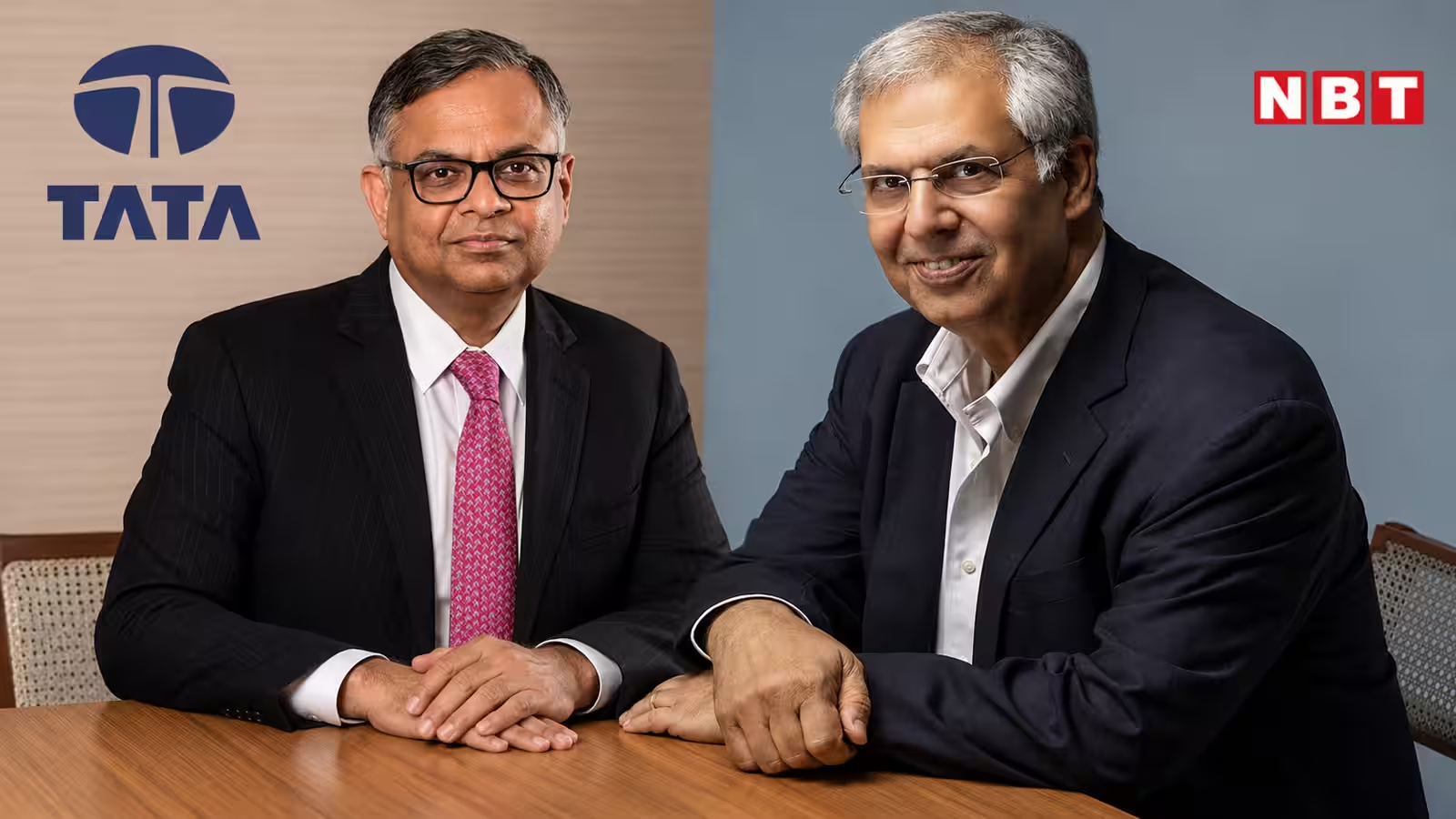
The Tata Group power struggle has intensified after the board of Tata Sons voted 4‑1 to reappoint N. Chandrasekaran as executive chairman for a fresh five‑year term. The decision, taken at a heated board meeting on Thursday, has been challenged by Noel Tata, the chairman of the controlling Tata Trusts, who labelled the move illegal and vowed to fight it in court. The conflict underscores a deeper governance crisis that dates back to the 2016 listing debate and has now spilled over into regulatory scrutiny from the Reserve Bank of India (RBI).
- The board of Tata Sons reappointed N. Chandrasekaran for five years, sparking opposition from Tata Trusts.
- Noel Tata called the reappointment illegal and threatened legal action.
- RBI has ruled that shadow‑bank regulations apply to Tata Sons, influencing the listing debate.
- The power struggle threatens strategic decisions, investor confidence, and the group’s long‑term governance framework.
- Legal experts predict a protracted battle that could affect India’s corporate governance precedents.
Chronology of the Tata Group power struggle
The roots of the Tata Group power struggle trace back to 2016 when Tata Sons first sought to list its shares. The proposal was opposed by the Tata Trusts, which hold a majority of the voting shares and view the group as a philanthropic entity rather than a purely commercial venture. Wikipedia notes that the trusts own about 66% of Tata Sons’ equity, giving them substantial veto power. Over the years, incremental board appointments and strategic shifts have deepened the rift, culminating in the recent board meeting where the 4‑1 vote cemented Chandrasekaran’s position but also ignited a new phase of the Tata Group power struggle.
Key Milestones
- 2016 – Tata Sons announces plans for an IPO; trusts oppose.
- 2018 – RBI issues guidelines on shadow banking, later affecting Tata Sons’ private status.
- 2021 – Chandrasekaran’s original term expires; board reappoints him for another five years.
- 2024 – Noel Tata publicly declares the reappointment illegal, initiating legal consultations.
Legal and Regulatory Dimensions
The Tata Group power struggle is not confined to boardrooms; it has entered the judicial arena. Noel Tata’s camp argues that the reappointment violates the Trust Act and the group’s own governance charter, which mandates that any change in leadership must be approved by a super‑majority of trust members. Legal experts, however, point to a 2020 Supreme Court ruling that upheld the board’s autonomy in executive appointments when supported by a majority of shareholders (Times of India). Meanwhile, the Reserve Bank of India (RBI) has weighed in, clarifying that the shadow‑bank regulations introduced in 2018 apply to Tata Sons because of its exposure to non‑banking activities. The RBI’s stance is documented in its official circular dated 12 March 2024, which can be accessed on the central bank’s website (RBI). This regulatory pressure adds another layer to the Tata Group power struggle, as the company must now balance compliance with trust governance demands.
Stakeholder Positions
Each major stakeholder has articulated a distinct view of the Tata Group power struggle.
- Tata Sons Board – Led by independent directors, the board maintains that reappointing Chandrasekaran ensures continuity and strategic execution, especially in light of recent financial performance improvements.
- Tata Trusts – Represented by Noel Tata, the trusts argue that their fiduciary duty to preserve the group’s philanthropic mission is being compromised by the board’s decision.
- Major Institutional Investors – Entities such as Life Insurance Corporation (LIC) and mutual funds have expressed concern that prolonged governance disputes could erode shareholder value.
- Employee Unions – Have called for a transparent process, warning that internal uncertainty could affect morale and operational stability.
The divergent positions illustrate how the Tata Group power struggle has evolved from a private governance issue into a broader corporate governance debate that resonates across India’s business community.
Implications for the Tata Group’s Future
The outcome of the Tata Group power struggle will shape several critical areas:
- Strategic Direction – A stable leadership is essential for ongoing diversification into renewable energy, aerospace, and digital services.
- Listing Prospects – The group’s ability to meet RBI’s listing requirements hinges on a unified governance structure; continued infighting could delay or derail an IPO.
- Investor Confidence – International and domestic investors monitor the situation closely. Recent analyst reports from Bloomberg indicate that governance risk premiums have risen for Tata firms amid the dispute.
- Philanthropic Mission – The trusts’ core objective of funding education, healthcare, and cultural initiatives may be impacted if legal battles consume resources.
Industry insiders suggest that a mediated settlement, possibly through an independent arbitration panel, could provide a way forward, preserving both the business acumen of Chandrasekaran and the trusts’ oversight role.
External Perspectives and Recommendations
External observers have offered several perspectives on the Tata Group power struggle. Professor Rajiv Kumar of the Indian Institute of Management Ahmedabad notes that the conflict highlights the tension between family‑controlled businesses and professional management in emerging economies (IIM Ahmedabad). Legal scholars point to the precedent set by the 2021 Satyam scandal, where governance failures led to massive investor losses, urging stakeholders to prioritize transparency.
Recommendations for navigating the Tata Group power struggle include:
- Establishing a joint governance council with representatives from both Tata Sons and Tata Trusts to oversee future board decisions.
- Engaging an independent mediator to facilitate dialogue and draft a consensus‑based leadership transition plan.
- Publishing a detailed roadmap that outlines compliance steps with RBI regulations while safeguarding the trusts’ philanthropic goals.
- Enhancing shareholder communication to reduce uncertainty and maintain market confidence.
By addressing the underlying governance gaps, the Tata Group can transform the current power struggle into an opportunity for strengthening its long‑term resilience.
Conclusion
The Tata Group power struggle epitomizes the complex interplay between corporate governance, family ownership, and regulatory oversight in India’s premier business house. While N. Chandrasekaran’s reappointment signals continuity, the opposition from Noel Tata and the Tata Trusts introduces legal and strategic uncertainties that will shape the group’s trajectory for years to come. Stakeholders must balance the imperative of operational stability with the need for inclusive decision‑making to ensure that the Tata legacy endures as a beacon of both economic excellence and social responsibility.
Frequently Asked Questions
The board of Tata Sons reappointed N. Chandrasekaran as executive chairman for five years, a move opposed by Noel Tata of the controlling Tata Trusts, who called it illegal.
He argues the decision violates trust governance rules and the group’s charter, claiming the trusts’ veto power should block the board’s majority vote.
Source: navbharattimes.indiatimes.com




0 Comments